
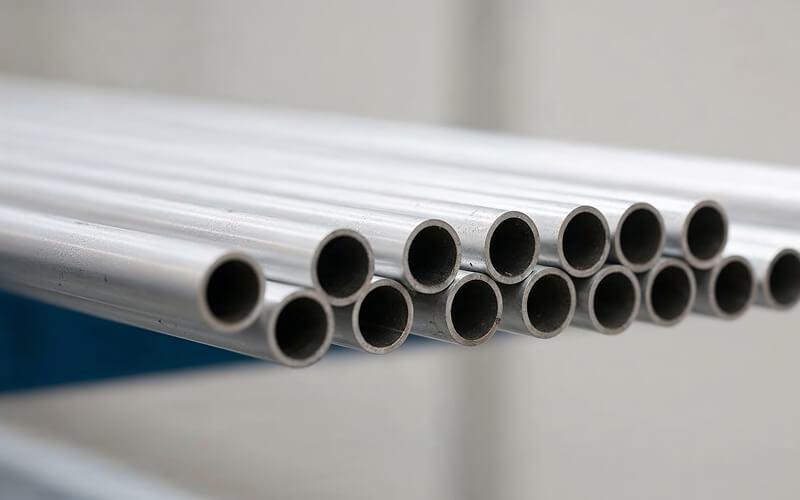
Quality inspections at Technomix.

Pipe inspection (leak and pressure testing)

Pipe inspection verifies the leak tightness, strength and structural integrity of pipelines, piping systems and pressure-bearing components. The aim is to demonstrate safe operation under service conditions and to detect leaks or material weaknesses at an early stage.

Pipe inspection (leak and pressure testing)

Ensuring leak tightness and load capacity – reliably under operating pressure

Pipelines and pressure-bearing components are often exposed to high mechanical, thermal or chemical loads. Even minor leaks or material weaknesses can lead to malfunctions, loss of efficiency or safety-relevant damage.

Within pipe inspection, it is verified whether the component can permanently withstand the intended operating pressure and shows no unacceptable leakage. Depending on requirements, leak tests, pressure tests or complementary non-destructive methods are used.

Which characteristics are examined?

Within pipe inspection, the following properties can be assessed, among others:

  • Leak tightness of pipelines, threaded connections and welds
  • Pressure resistance under defined test conditions
  • Material weaknesses or wall thickness deviations
  • Surface or volumetric defects in pressure-bearing areas

The choice of test method depends on the medium, operating pressure, material and the respective safety requirements.

Methods used

Depending on the inspection objective, pipe inspection can include different methods:

  • Pressure testing (hydrostatic or pneumatic) – to verify strength and leak tightness under a defined test pressure
  • Leak testing – to detect even the smallest leaks
  • Ultrasonic testing (UT) – for wall thickness measurement or detection of internal defects
  • Radiographic testing (RT) – for volumetric evaluation of welds
  • Visual testing (VT) – to check surfaces, connections and assembly condition

In safety-critical applications, these methods are often combined to demonstrate both structural integrity and leak tightness.

Typical use cases for pipe inspection

Pipe inspection is used in particular:

  • After manufacture or installation of pipelines
  • After welding work on pressure piping
  • As part of maintenance measures
  • Before commissioning of technical systems
  • At recurring inspection intervals

Depending on requirements, inspection is performed as sampling, series-accompanying or as a complete pressure acceptance test.

Industries and application areas for pipe inspection

Pipe inspection is required wherever media are transported or conveyed under pressure, including:

  • Energy and power plant sector
  • Mechanical and plant engineering
  • Chemical and process industry
  • Aerospace
  • Automotive and supply industry
  • Pipeline and pressure vessel construction

The specific design of the inspection depends on the component, accessibility, lighting conditions and the respective quality requirements.

How pipe inspection is carried out at Technomix

Pipe inspection is performed on the basis of clearly defined test parameters and agreed specifications. Depending on the inspection objective, suitable pressure or leak test procedures are selected and supplemented by non-destructive methods where required.

Results are documented in a traceable way and integrated into your existing quality process. Organisational integration is handled within our quality management system according to DIN EN ISO 9001.

Final CTA

Contact & consultation on pipe inspection

Would you like to have the leak tightness or pressure resistance of your piping systems inspected?

We will be happy to support you in selecting a suitable inspection concept – aligned with material, medium, operating conditions and regulatory requirements.