
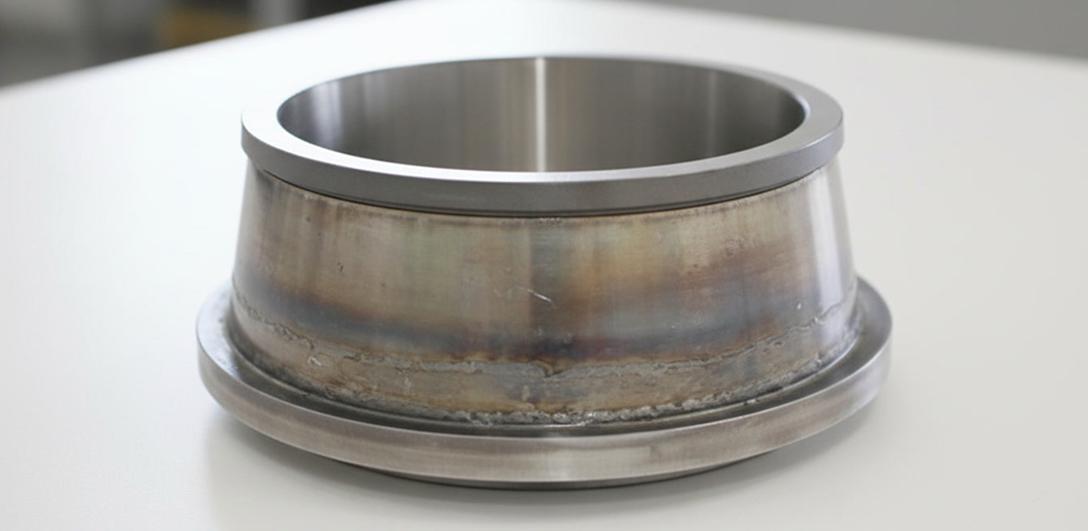
Quality inspections at Technomix.

Grinding burn inspection

Grinding burn inspection serves to detect thermal microstructure changes on component surfaces that can result from grinding processes. The aim is to identify grinding burn at an early stage and thereby ensure the function, service life and safety of components.

Grinding burn inspection

Detect thermal damage – ensure surface integrity

Grinding generates high temperatures through friction. If the resulting heat is not dissipated sufficiently, local microstructure changes can occur – known as grinding burn.

These changes have a negative impact on the mechanical properties of the material, particularly hardness, wear behaviour and fatigue strength. In safety-critical applications, grinding burn can lead to premature component failure.

Within grinding burn inspection, affected areas are identified and evaluated to ensure that components meet the required quality standards.

Which characteristics are examined?

Within grinding burn inspection, the following aspects can be assessed, among others:

  • Thermally induced microstructure changes in the edge zone
  • Tempering zones and signs of overheating
  • Local hardness changes
  • Microcracks due to thermal stresses
  • Inhomogeneities in the material microstructure

Evaluation is performed either close to the surface or in the depth of the edge zone, depending on the component and requirements.

Methods used

Grinding burn inspection can include different test methods:

  • Nital etching – for making microstructure changes visible on the surface
  • Eddy current testing (ET) – for non-destructive detection of grinding burn and microstructure deviations
  • Hardness testing (e.g. Vickers) – for verifying local hardness changes
  • Microscopic microstructure analysis – for detailed investigation in destructive testing

Depending on the inspection objective, the suitable method is selected and integrated into the existing inspection concept.

Typical use cases for grinding burn inspection

Grinding burn inspection is used in particular:

  • To secure grinding processes in series production
  • For safety-critical components with high loads
  • As part of complaints and damage analyses
  • For process validation and optimisation
  • During incoming inspection of ground components

Industries and application areas for grinding burn inspection

Grinding burn inspection is especially relevant in industrial sectors with high demands on surface and edge zone quality, including:

  • Automotive and supply industry
  • Aerospace
  • Mechanical and plant engineering
  • Bearing and transmission technology
  • Energy and drive technology

The specific design of the inspection depends on component geometry, material, grinding process and the respective quality requirements.

How grinding burn inspection is carried out at Technomix

Grinding burn inspection is carried out on the basis of agreed inspection plans and defined evaluation criteria. Depending on requirements, non-destructive and complementary destructive methods are combined to provide a reliable statement on the material condition.

Results are documented and integrated into the existing quality process. Organisational integration is handled within our quality management system according to DIN EN ISO 9001.

Final CTA

Contact & consultation on grinding burn inspection

Would you like to ensure that your ground components are free from thermal damage?

We will be happy to support you in selecting a suitable inspection concept and analyse the relevant influencing factors together with you – aligned with component, material and manufacturing process.