
Recognising external features – simple, standardised and non-destructive
Visual testing is the fundamental method of non-destructive inspection and is based on targeted visual assessment of component surfaces. The aim is to detect visible deviations from defined quality characteristics and evaluate them systematically.
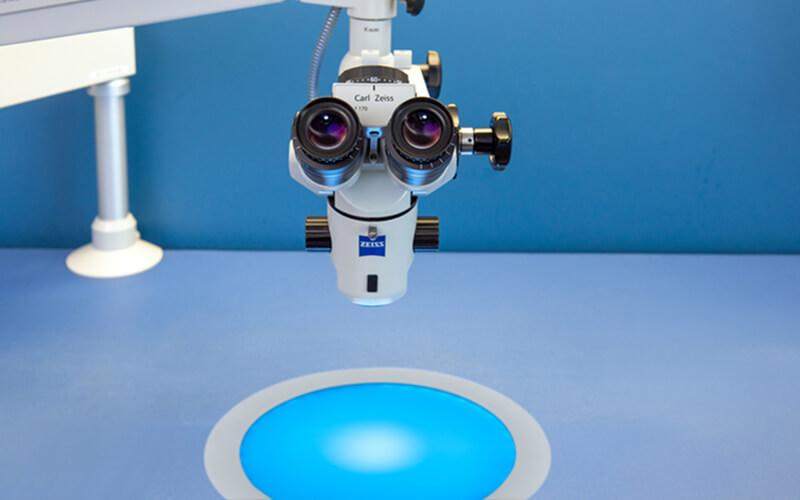
Depending on inspection requirements, testing is performed directly with the human eye or using optical aids such as magnifiers, endoscopes, video borescopes or technical borescopes. A norm-compliant defined inspection illumination and magnification that ensures reproducible detection of surface features is decisive. Parameters such as illuminance, viewing angle and inspection distance are set in accordance with applicable specifications.
During inspection, the component surface is checked systematically. Items assessed include, for example, surface condition, damage, cracks, pores, contamination or assembly states. Evaluation is based on agreed defect catalogues, drawings, limit samples or customer specifications.
For areas that are difficult to access, indirect methods are used, for example optical extension by endoscopy. In safety-relevant applications, visual testing may additionally be supported by photographic documentation or digital image evaluation.
Visual testing enables immediate assessment of component condition without intervention in the material. It often forms the first inspection stage within an inspection concept and supplements other non-destructive methods by quickly and efficiently identifying obvious surface features.